Wind Sensor Automation for Retractable Awnings
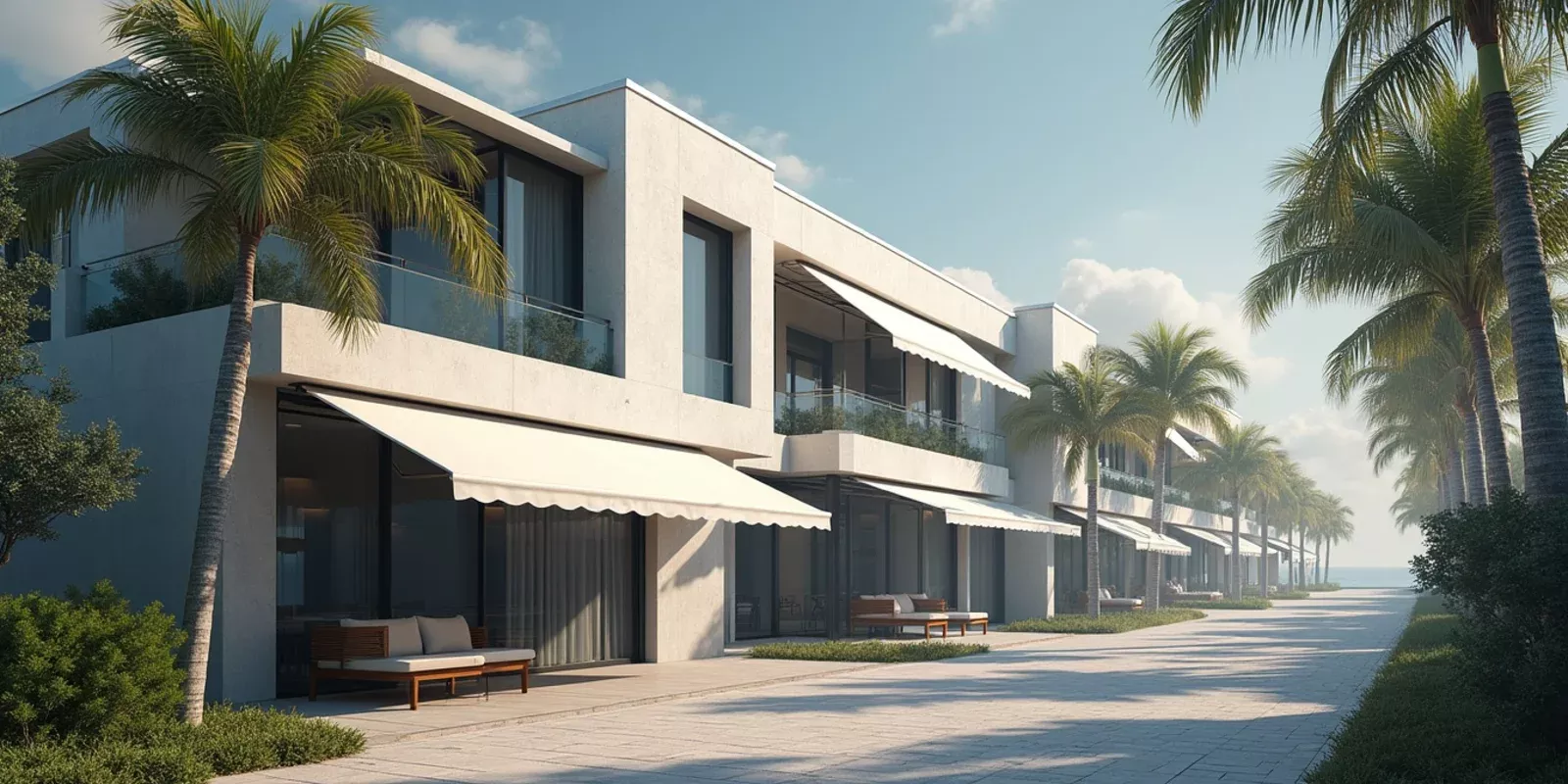
Wind sensor automation is crucial for protecting retractable awning systems in Palm Beach's stormy weather. These systems enhance outdoor spaces, but they can be vulnerable during high winds. In this article, I'll share insights and experiences on how wind sensors work, their benefits, and real-world case studies that illustrate their effectiveness.
Living in Palm Beach means enjoying sunny days and vibrant outdoor living. However, the tropical storms can turn that enjoyment into concern for many homeowners with retractable awnings. Without proper protection, these structures can suffer damage, leading to costly repairs. That's where wind sensor automation comes into play. By automatically retracting awnings in high winds, these sensors provide peace of mind and protect your investment.
Wind sensors are designed to detect wind speed and direction. When winds exceed a certain threshold, the sensor sends a signal to the awning's motor to retract it. This automatic response minimizes damage and extends the lifespan of your awning.
Here’s how they typically function:
Installing wind sensors offers several advantages:
A homeowner in Boca Raton installed a retractable awning without a wind sensor. One stormy night, winds picked up unexpectedly. The awning suffered significant damage, costing thousands in repairs. Afterward, they invested in a wind sensor system. Since installation, they haven't experienced any further issues during storms.
A restaurant owner in West Palm Beach wanted to protect their patio awnings while maintaining an inviting outdoor space. After installing wind sensors, they reported that on windy days, the awnings retracted automatically. This feature has not only protected their investment but also reassured patrons during inclement weather.
A multi-family residence opted for a full installation of retractable awnings across the property but faced challenges with storm safety. They implemented wind sensors across all units. Feedback from residents highlighted increased satisfaction knowing their shared outdoor areas were secure against sudden weather changes.
Want to protect your outdoor investments? Consider adding wind sensors today!
A wind sensor is a device that detects wind speed and automatically retracts retractable awnings when winds exceed a set threshold.
The cost can vary widely based on the model and installation requirements but generally ranges from $100 to $500.
While some may attempt DIY installation, it's recommended to hire a professional to ensure proper setup and functionality.
No, not all models include them as standard features, but they can often be added as an upgrade.
It's good practice to test your wind sensor every few months to ensure it's functioning correctly, especially before storm season.
If you're considering upgrading your outdoor space with retractable awnings and want expert advice on wind sensors, feel free to reach out!
Your peace of mind is just a call away! Let’s talk about how we can enhance your outdoor experience safely.
Awnings Contractors is here to provide expert guidance on choosing and installing wind sensor automation for your retractable systems. With our experience in the Palm Beach area, we understand the unique challenges posed by local weather patterns. Don't hesitate to get in touch with us for personalized recommendations tailored to your needs!
The information provided in this article is for educational and informational purposes only, based on our professional industry experience. It does not constitute legal, architectural, or structural engineering advice. Building codes, HOA guidelines, wind-load ratings, and permitting requirements vary across municipalities in South Florida and Palm Beach County. Always consult with licensed specialty contractors, local building officials, and certified structural engineers before starting any exterior construction or modification project.

Awnings Contractors & Designers, Inc. is a licensed and insured, full-service awning contractor with more than 20 years of experience serving residential and commercial clients throughout South Florida.
From custom design and fabrication to professional installation, repair and maintenance, our team delivers quality awning and shade solutions built around each property’s needs.
Choosing the Right Lateral Arm Awnings for Your Lanai
Extending lateral arm awnings are an ideal solution for Fort Lauderdale homeowners looking to enhance their outdoor spaces. This article explores the best spans for these awnings, shares real-life case studies, and provides essential tips for selecting the right awning.
Motorized vs. Manual Awnings for Miami-Dade Patios
This article explores the differences between motorized and manual retractable awnings for Miami-Dade patios. It covers their pros and cons, includes real-life case studies, and provides insights to help homeowners choose the best option for their outdoor spaces.
Motorized vs. Manual Retractable Awnings Explained
Choosing between motorized and manual retractable awnings for your Miami-Dade patio can greatly affect your outdoor experience. Each option has unique benefits, from convenience and automation in motorized models to cost-effectiveness and simplicity in manual ones.