Motorized vs. Manual Awnings for Miami-Dade Patios
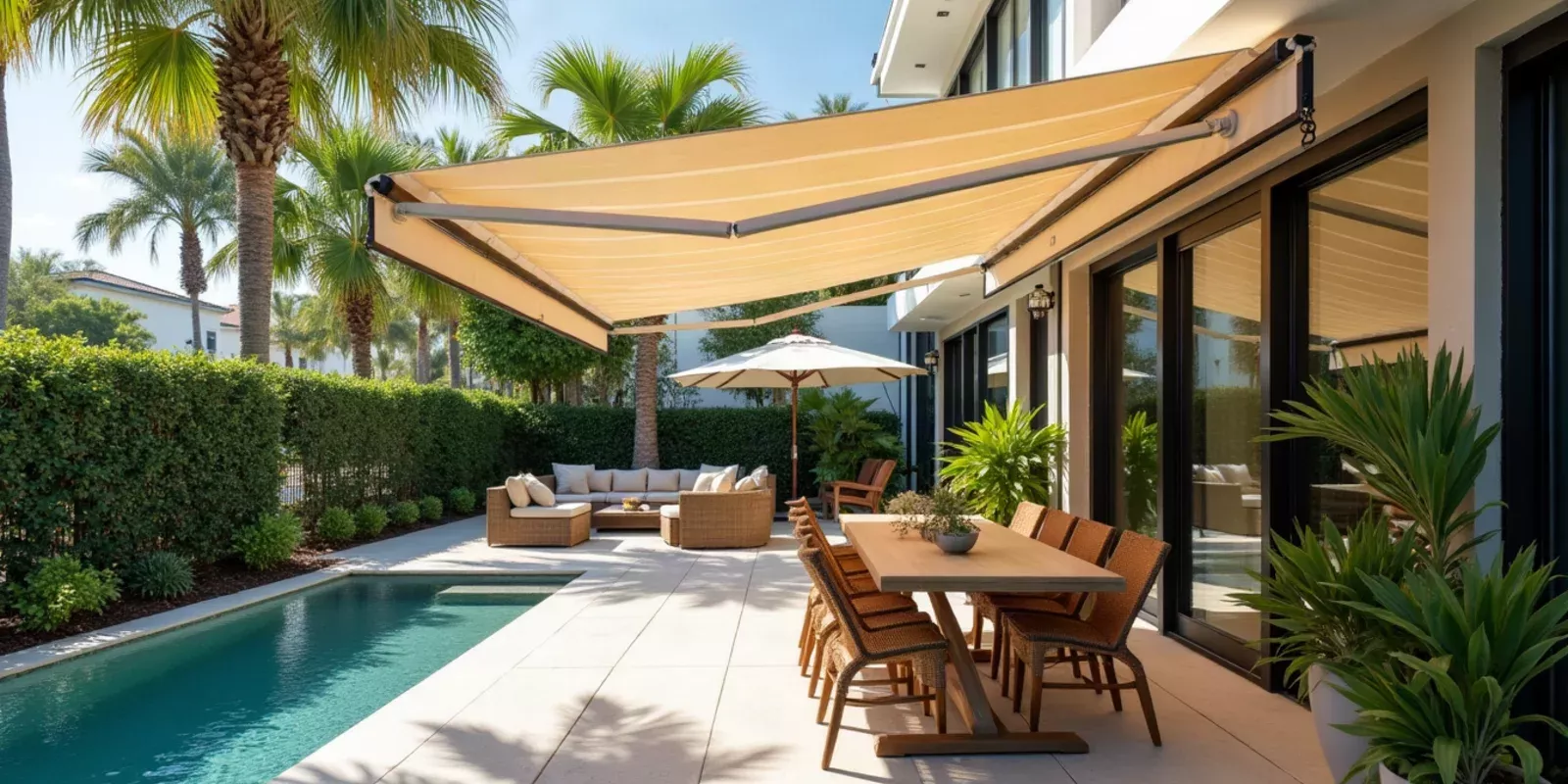
When considering outdoor living spaces in Miami-Dade, choosing between motorized and manual retractable awnings is crucial. Each type has its own advantages and limitations. Understanding these can help you make an informed decision that best suits your needs.
Miami-Dade is known for its sunny weather, making outdoor spaces a significant part of life here. Retractable awnings are a popular choice for patios, providing shade and protection from the sun. But when it comes to selecting between motorized and manual options, many homeowners are unsure which direction to take.
In my experience, both types have unique features that cater to different lifestyles and preferences. Let's dive into the specifics of each option, examine some real-life case studies, and discuss the pros and cons to help you make a better choice.
Motorized retractable awnings offer convenience at the touch of a button. With options for remote control or smartphone integration, they allow users to adjust shade without manual effort. This is particularly beneficial for larger awnings or patios where reaching the awning mechanism can be difficult.
One major advantage is their ability to extend or retract quickly, adapting to changing weather conditions in real-time. However, they do require a power source and can be more expensive upfront due to installation costs.
The Thompsons live in a waterfront property in Miami and wanted a solution for their expansive patio. They chose a motorized awning due to its convenience. After installation, they found it easy to manage shade during family gatherings using the remote control. However, they did face occasional issues with power outages affecting operation.
Manual retractable awnings operate through a hand crank mechanism or pull-down system. While they require physical effort to adjust, they are typically less expensive than their motorized counterparts. For those who enjoy being active and engaged with their outdoor spaces, this could be seen as a plus.
Moreover, manual awnings do not rely on electricity, making them more reliable during power outages. On the downside, adjusting them might be cumbersome for some users, especially on hot days when quick adjustments are desirable.
The Garcias opted for a manual retractable awning on their small balcony. Initially, they appreciated the cost savings but later found adjusting the awning cumbersome during peak sun hours. Their experience illustrates how manual awnings can work well in smaller settings but may not be ideal for larger areas where quick access is necessary.
The Johnson family has a large patio that serves as both a relaxation area and an entertainment space. They installed both types of awnings—motorized over the dining area and manual over the lounge section. This setup allowed them to enjoy the ease of use in one area while maintaining budget constraints in another. They reported satisfaction overall but noted that guests often struggled with the manual awning.
Considering an awning? Don’t hesitate! Let’s discuss what works best for your home.
Motorized awnings offer convenience with electrical controls while manual options require physical effort but tend to be less expensive.
The costs vary widely depending on size and material but generally range from $1,500 to $4,000 for motorized models and $500 to $2,500 for manual models.
Both types require cleaning and occasional checks on mechanisms or motors; however, motorized models may need professional servicing more frequently due to electrical components.
While some homeowners attempt DIY installations, hiring professionals is recommended for optimal safety and function.
Most manufacturers provide warranties ranging from 5 to 15 years depending on materials used and installation quality.
If you’re still unsure about which option suits you best, reach out today! I’d love to help clarify any doubts you have.
Awnings Contractors specializes in both motorized and manual retractable awnings tailored specifically for Miami-Dade homes. If you're ready to enhance your outdoor space with the perfect shade solution, contact me today!
The information provided in this article is for educational and informational purposes only, based on our professional industry experience. It does not constitute legal, architectural, or structural engineering advice. Building codes, HOA guidelines, wind-load ratings, and permitting requirements vary across municipalities in South Florida and Palm Beach County. Always consult with licensed specialty contractors, local building officials, and certified structural engineers before starting any exterior construction or modification project.

Awnings Contractors & Designers, Inc. is a licensed and insured, full-service awning contractor with more than 20 years of experience serving residential and commercial clients throughout South Florida.
From custom design and fabrication to professional installation, repair and maintenance, our team delivers quality awning and shade solutions built around each property’s needs.
Step-by-Step Guide to Extruded Welded Aluminum Frames for Coastal Properties in Palm Beach Island
Learn how to select, design, and install extruded welded aluminum frames for coastal properties in Palm Beach Island. This comprehensive guide covers all essential steps and common pitfalls.
Step-by-Step Guide to Commercial Canopy Installation in South Florida
Learn the essential steps for installing commercial canopies in South Florida. This guide covers necessary preparations, key requirements, and common mistakes to avoid for a successful installation.
Understanding South Florida Building Code Guidelines for Commercial Canopy Installation
Explore the essential South Florida building code guidelines for commercial canopy installation. Learn about common issues, causes, consequences, and practical solutions to ensure compliance and safety.